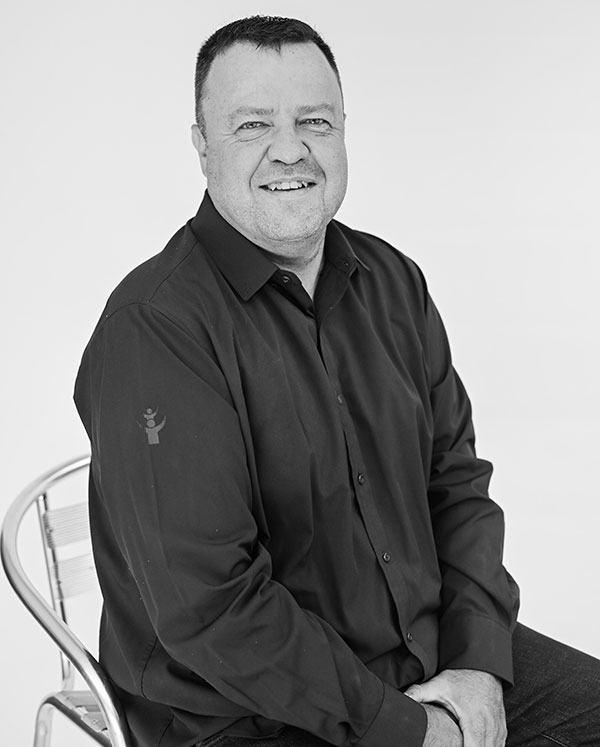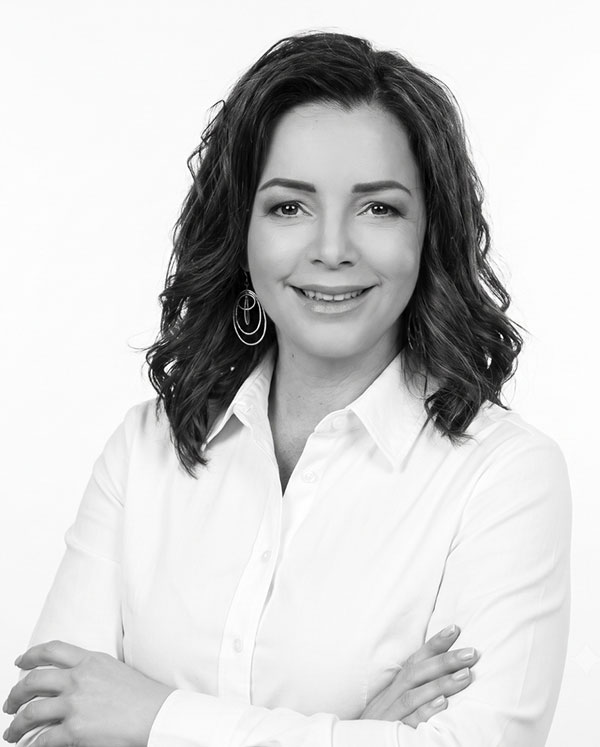
By: Nadine Laubscher, Chief Financial Officer at Aurora Capital SA
Women’s Month is often framed around recognition, resilience, and progress. Financial independence deserves to be part of that same conversation because the ability to make choices is closely linked to the ability to plan, save, invest, and protect your future.
Women’s financial lives are rarely one-dimensional. Many are earning, caregiving, building businesses, managing households, supporting families, and making decisions that affect more than one generation.
Investing in the future gives those responsibilities a stronger foundation. In many households, women already manage the practical flow of money, even when the long-term financial plan has not been built around them.
Women are planning for longer financial lives
The numbers make this conversation important. According to Statistics South Africa, female life expectancy in South Africa is estimated at 69.6 years in 2025, compared with 64.0 years for men. Women are making financial decisions today while also planning for futures that may last longer than expected.
A financial plan should not only start when something goes wrong. Divorce, widowhood, illness, disability, career breaks, business pressure, or caring responsibilities can all change a financial position very quickly. Statistics South Africa reported that wives filed for 57.2% of divorces granted in 2024. This is a reminder that financial clarity is important, regardless of marital status or family structure.
The old household model no longer applies
The assumption that one person in the household is responsible for the financial plan is no longer realistic. In many families, there is no single provider. In others, the woman can be the primary breadwinner, the business owner, or the person making daily decisions about school fees, medical expenses, debt, savings, insurance, and retirement.
Even where women are disciplined with money, structural gaps remain. Old Mutual Corporate says its 2025 retirement fund research shows that women save a larger share of their salaries than men do in the early stages of their careers, yet still retire with less. Discovery Corporate has also reported that women have 21% less in pension and provident fund savings than men, while earning 76 cents for every rand earned by men.
The lesson is not that women are doing something wrong. Often, they are doing a great deal right. The challenge is that career interruptions, caregiving responsibilities, and later-life longevity can all compound over time. A financial plan has to take those realities into account.
Investing is about ownership
Investing is one way to do that. For some women, investing may begin with a debit order into a diversified portfolio. For others, it may involve reviewing retirement savings, protecting income, building an emergency reserve, understanding risk, or structuring investments around long-term goals. The point is to start with ownership.
Ownership means knowing what you have, where it is invested, what it is meant to achieve, and whether it still fits your life. It means understanding how your investments, retirement planning, insurance, estate planning, and liquidity needs work together.
It also means planning for real life, not just the version that looks neat on paper. Income can be interrupted. Health can change. Relationships can shift. Retirement may last longer than expected. Wealth built over many years may need to support children, dependants, a business, or the next generation. A strong financial plan should take those possibilities into account before they become urgent.
Good advice should start with the person
These are not questions for women only. But Women’s Month gives us a reason to ask whether women are properly included in financial planning conversations, and whether they have sufficient access to the knowledge, advice, and investment structures that help them act with confidence.
At Aurora Capital SA, we believe good investing starts with understanding the person behind the portfolio. A strong investment approach should consider risk, time horizon, liquidity, income needs, long-term growth, and the role money plays in a person’s life. For women, as for all investors, the goal is not simply to accumulate wealth. It is to create options, resilience, and future choice.
This does not mean every woman needs to make every financial decision alone. Advice matters. Partnership matters. Families should be able to plan together. But shared planning should never mean being financially uninformed, excluded, or unprepared.
The first step is clarity
The most important step is often the first one: review where you are, understand what you own, identify the gaps, and start building from there.
Women already make decisions that shape households, businesses, families, and communities. Their investment futures deserve the same attention.